
IN-PERSON & ONLINE TRAUMA COUNSELING IN NEWBURY PARK & ACROSS CA
Helping you make peace with the past.
Trauma therapy for adults looking for support, healing, and relief.

You know things from your past are impacting you today.
More often than not your mind is on high alert, constantly scanning for danger, even when you're safe. It seems like almost daily there are flashbacks and nightmares—the sleepless nights are so exhausting and you’re feeling disconnected from yourself and the world around you. It’s making it hard to stay present, and you might notice your relationships with loved ones feel distant or strained, too. You feel a bit ashamed like you should be “handling” this so much better than you are, and the inner critic inside keeps reminding you that you aren’t.
To alleviate the pain, you find yourself compulsively spending, glued to your screens, or even engaging in disordered eating habits. It all feels like it’s led to you being emotionally numb because you’ve been trying to cope by distracting yourself or avoiding feelings altogether for so long.
The word “trauma” might feel like the right way to describe what you’re feeling, or it might feel too drastic—like your experiences don’t quite “qualify.” The truth is, many of us carry the weight of difficult past experiences and oftentimes, it’s holding us back from happiness, peace, or even the ability to be ourselves.
Sometimes trauma can look like…
Anxiety
Nightmares
Trouble sleeping
Negative self-talk
Harmful behaviors
Hypervigilance
Feelings of shame
Strained relationships
Difficulty trusting others
Depression
Flashbacks
Emotional numbing

HOW WE CAN HELP
We are all influenced by our early relationships in life.
In trauma therapy, we’ll look at these early attachments and how they may be influencing your deeply held beliefs and feelings about yourself and your experiences. We’ll also equip you with psychoeducation to understand how trauma affects the nervous system—because trauma doesn’t just exist in your mind, it impacts your body, too. Using somatic (body-based) approaches, we’ll address where that trauma is stored in your body and Eye Movement Desensitization and Reprocessing (EMDR) to help you process and release those past experiences.

As we explore the different parts of yourself that emerged from trauma, we can identify those that might engage in unhealthy behaviors.
Then we can find strategies to get your needs met in healthier ways and ultimately heal from the trauma that caused those behaviors. When it comes to your relationships with others, we’ll help you work to set healthy boundaries, understanding who to allow into your life and who to keep at a distance.
Our ultimate goal is to help you create a vision for the future while nurturing a healthy relationship with yourself and others. This comes through letting go of the hurt and pain that’s stored in our body and brain and stepping into our new selves. This process can help you feel grounded and free from the weight you’ve been carrying, ultimately allowing you to feel purpose, embrace genuine connection, and discover a future that’s even brighter than what you thought was possible.
Therapy for trauma can help you…
Build a solid sense of identity.
Heal from past pain.
Let go of harmful or unhealthy behaviors.
Cultivate self-trust and trust in others.
As you take the time to understand yourself and your experiences, you’ll learn how to feel less responsive to your triggers or controlled by your past. This is an opportunity to write a new narrative for your life—one where you finally feel free.
Therapists who can help
Our therapists are highly trained and experienced in helping clients process & heal from trauma. No matter what you're facing, we're here to guide and support you.
-
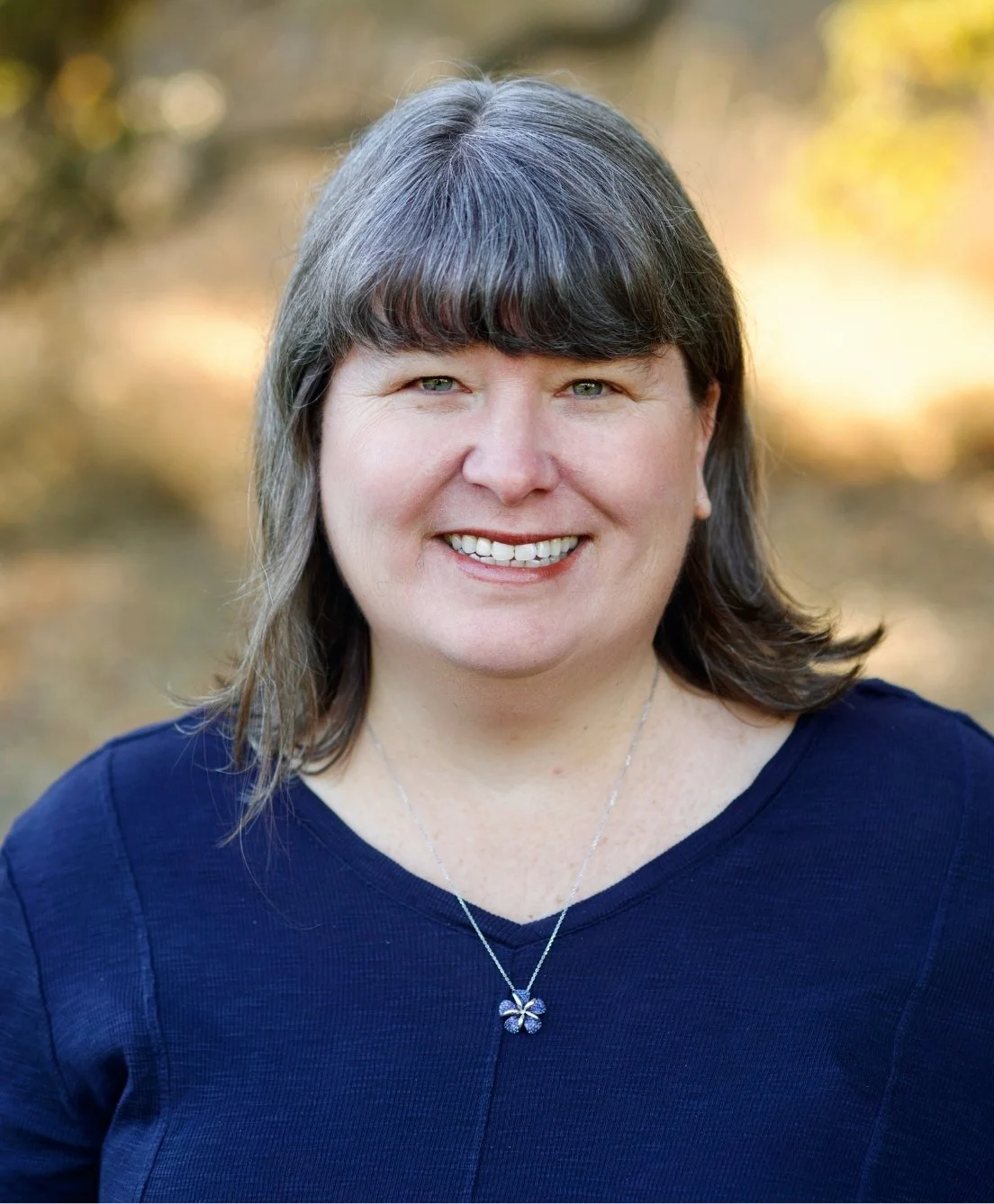
![A woman with shoulder-length gray hair and bangs, wearing a navy blue top and a necklace with a flower pendant, smiling outdoors with a blurred background.]()
Jennifer Anderson
-
![Smiling person with glasses and curly hair wearing a striped shirt and red beaded necklace.]()
Heather Williams-Baumgart
-
![]()
Candace Bletscher
-
![]()
Samantha Johnson
-
![]()
Autumn Bodily
-
![]()
Andrea Watkins
-
![]()
Rosa Gomez
-
![]()
Chad Flores




You can rewrite your story.
FAQS
Frequently asked questions
-
If you’ve experienced events that feel like they regularly affect you emotionally or mentally, such as abuse, neglect, loss, or violence, you might benefit from trauma therapy. There might be other signs that indicate you need support including persistent anxiety, flashbacks, difficulty regulating emotions, or trouble in relationships. No matter what you’re experiencing, we can help.
-
It’s normal to feel scared or upset about the idea of talking about a difficult past experience. Our therapists are expertly trained in helping each of our clients confront their past, get “unstuck,” and find healing with a compassionate therapy experience. We believe in your ability to find healing and relief from what you’re holding onto and your therapist won’t make you relive the things that happened, rather they will help you explore how you’ve been affected by your experiences and what you need to do to move forward.
-
We have extensive experience with complex trauma, attachment trauma, C-PTSD, development trauma, and relationship-induced trauma. We use a variety of methods to work through the trauma stored in the body, including EMDR, Brainspotting, somatic therapy, and parts work. This allows us to help you reprocess trauma that’s stored in your body and release its hold so that you can feel relief, find clarity, and embrace healing from the past.